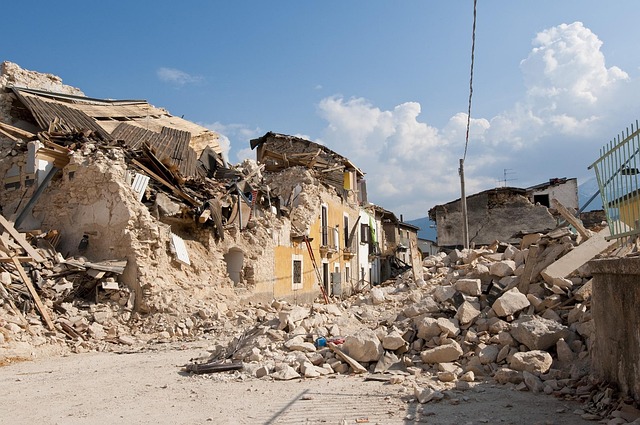






In the face of unexpected disasters, swift and professional disaster cleanup and restoration services in Austin become paramount. Whether it’s a raging fire, a flooding event, or a severe storm, the impact on homes and businesses can be devastating. Certified disaster cleanup specialists in Austin are equipped with the expertise, resources, and compassion to navigate these challenging situations. They provide essential services that go beyond mere cleanup, encompassing structural restoration, content restoration, and emotional support. This comprehensive approach ensures not only the physical recovery but also the mental resilience of affected individuals and communities. By relying on certified disaster restoration experts, Austin residents and businesses can restore their spaces to their pre-disaster condition with confidence and efficiency.
- Understanding Disaster Restoration in Austin
- The Steps Involved in Certified Cleanup Services
- Tips for Effective Post-Disaster Recovery
Understanding Disaster Restoration in Austin
Disaster restoration in Austin goes beyond mere cleanup; it’s a multifaceted process crucial for community recovery after disaster. Whether faced with the aftermath of a fire, flood, or storm, swift and effective action is vital to minimizing damage and facilitating a smoother transition back to normalcy. The key lies in understanding that each event presents unique challenges, necessitating tailored strategies for successful restoration. For instance, water damage from floods requires specialized equipment to remove moisture and prevent mold growth, while structural fires demand careful decontamination to ensure the safety of residents and builders alike.
The community recovery after disaster in Austin is significantly enhanced by local help! Local businesses like Property Restoration of the Capital Region play a pivotal role in this process. With teams trained in various disciplines, they offer comprehensive services from initial assessment to final restoration, ensuring every detail is addressed. This includes not just repairing physical structures but also restoring valuable possessions and personal mementos, providing emotional support through difficult times, and collaborating with local authorities and other relief organizations for a coordinated response.
Moreover, disaster restoration involves meticulous planning and preparation. Proactive measures such as regular maintenance checks, up-to-date emergency plans, and community education can significantly mitigate the impact of disasters. For instance, Austin’s history of severe weather events underscores the importance of storm-proof construction and preparedness drills in schools and public spaces. By integrating these practices into daily life, residents can foster a more resilient community capable of faster recovery post-disaster. Ultimately, understanding disaster restoration is not just about reacting to crises but proactively building a safer, more sustainable home for all Austinites.
The Steps Involved in Certified Cleanup Services
Disaster restoration involves a meticulous process designed to not just clean but also restore properties to their pre-disaster condition. Certified disaster cleanup services in Austin, like those provided by Property Restoration of the Capital Region, follow standardized steps to ensure comprehensive and effective recovery after severe weather or other disasters.
The initial step is emergency board up and tarping. This critical action is taken immediately upon arrival to protect the property from further damage caused by elements like rain, wind, or falling debris. It involves securing windows, doors, and roofs with specialized materials, preventing potential hazards and offering temporary shelter. Following this, professionals conduct a thorough assessment of the damage. Using advanced techniques and tools, they document the extent of the loss, identifying areas needing restoration, and prioritizing tasks to ensure community recovery after disaster efficiently.
Once the assessment is complete, the cleanup process begins. This involves removing debris, cleaning and disinfecting surfaces, and restoring essential systems like electricity and plumbing. Advanced equipment and eco-friendly solutions are employed to effectively remove water, mold, and other contaminants, preventing long-term health risks and structural damage. In cases of extensive flooding, specialized drying techniques may be required to restore homes after severe weather, ensuring no moisture is left behind.
Finally, once the property is thoroughly cleaned and dried, restoration begins. This could involve rebuilding damaged structures, refinishing floors, repainting walls, or replacing fixtures. The goal is not just to repair but to revive the space into a safe, livable condition that meets or exceeds pre-disaster standards. For instance, Property Restoration of the Capital Region leverages cutting-edge technology and materials to ensure every restored property is not only functional but also aesthetically pleasing, contributing to the community’s resilience in the face of natural disasters.
Tips for Effective Post-Disaster Recovery
Experiencing a disaster can be overwhelming, but with proper planning and expert guidance, effective post-disaster recovery is achievable. Whether it’s a flood, fire, or hurricane damage, timely action is crucial for minimizing losses and restoring your property to its pre-disaster condition. One of the key steps is to contact experienced professionals like those at Property Restoration of the Capital Region who specialize in disaster restoration. Their expertise lies not only in mitigating immediate hazards but also in understanding the unique challenges each type of disaster presents.
For instance, fire damage repair requires a meticulous approach to ensure the safety and health of occupants while restoring structural integrity. This involves specialized equipment for decontaminating affected areas, removing charred materials, and repairing or replacing damaged structures. Similarly, hurricane damage repair experts are trained to handle the complex challenges posed by strong winds, heavy rainfall, and potential flooding. They assess the extent of damage, from structural repairs to water extraction and dehumidification, ensuring your home is secure and habitable once again.
In the event of a flood, calling local pros like Property Restoration of the Capital Region becomes even more critical. Prompt action is essential to prevent mold growth and secondary damage. These professionals employ advanced water extraction techniques and state-of-the-art drying equipment to expedite the recovery process. They also understand that every flood situation is unique, requiring tailored solutions to address specific challenges such as sewage backflow or structural instability. By involving experts in fire damage repair near me or hurricane damage repair, homeowners can ensure their properties are restored to their highest pre-disaster condition, providing peace of mind during an otherwise stressful time.
In conclusion, this article has provided a comprehensive overview of certified disaster cleanup services in Austin, offering valuable insights into the critical process of disaster restoration. By understanding the steps involved, from initial assessment to thorough cleanup and post-disaster recovery tips, readers are now equipped to navigate the challenges posed by such events. The key takeaways emphasize the importance of professional, certified services for effective and safe restoration, ensuring homes and businesses can recover and thrive. This authority on the subject underscores the vital role these services play in the Austin community, offering peace of mind and swift resolution during difficult times.
Disaster restoration in Austin involves a multifaceted process crucial for community recovery. Each disaster event requires tailored strategies: water damage from floods needs specialized equipment to prevent mold, while structural fires demand careful decontamination. Local businesses like Property Restoration of the Capital Region play a pivotal role, offering comprehensive services from initial assessment to final restoration.
The process includes emergency board up, thorough assessment, cleanup, and restoration, ensuring every detail is addressed. Proactive measures like regular maintenance checks and community education can significantly mitigate disaster impact. By integrating these practices, Austin can foster a more resilient community capable of faster recovery.