







Houston's vulnerability to extreme weather events highlights the critical need for effective disaster restoration. Property Restoration of the Capital Region offers tailored solutions, emphasizing prompt action. Key strategies include emergency board-up, fire damage response, and water mitigation within 24-48 hours, reducing secondary damages by up to 50%. Their comprehensive method involves advanced equipment and supports residents' emotional well-being. Swift restoration, coordinated efforts among agencies and companies, and community collaboration accelerate recovery. Post-disaster, revitalizing public spaces, supporting local businesses, and engaging in cleanup foster resilience and a stronger community fabric. Disaster restoration naturally is a vital safety net, minimizing structural damage and calming affected residents, ensuring communities heal and rebuild faster.
In the face of an ever-increasing number of natural disasters, effective disaster recovery has become a paramount concern for communities worldwide. Houston, a metropolis situated along the Gulf Coast, is no stranger to these challenges. When disaster strikes, swift and reliable disaster restoration services are crucial for minimizing damage and facilitating a resilient comeback. This article delves into the intricacies of experienced disaster recovery in Houston, highlighting the expertise and strategies that enable professionals to navigate complex scenarios, restore affected areas, and foster community resilience.
- Understanding Disaster Recovery in Houston
- Preparations for Unforeseen Events: A Comprehensive Guide
- Rapid Response: The Initial Steps in Disaster Restoration
- Restoring Critical Infrastructure After a Disaster
- Community Resilience: Rebuilding and Recovering Together
Understanding Disaster Recovery in Houston

Understanding Disaster Recovery in Houston involves recognizing the unique challenges posed by its location in a region prone to extreme weather events. The city’s history with hurricanes, floods, and wildfires necessitates robust disaster restoration capabilities. An experienced disaster recovery team is crucial for restoring your community post-disaster, ensuring swift and insurer-approved restoration services that meet or exceed industry standards.
Property Restoration of the Capital Region, a local leader in the field, offers comprehensive solutions tailored to Houston’s specific needs. For instance, their experts have successfully navigated complex restoration projects after storms like Harvey and Ida, showcasing the resilience of Houstonians and their dedicated support networks. These events underscored the importance of quick action: according to recent data, prompt disaster restoration can significantly reduce the economic impact on affected communities, with timeliness being a key factor in successful recovery.
Beyond technical proficiency, an experienced team brings peace of mind, providing expert advice throughout the process. They work closely with insurers and local authorities to ensure compliance and streamline the claims process. By prioritizing communication, transparency, and quality craftsmanship, these professionals facilitate the healing and rebuilding of communities, transforming disaster areas into vibrant, resilient hubs once again.
Preparations for Unforeseen Events: A Comprehensive Guide

In the unpredictable landscape of unforeseen events, disaster restoration stands as a beacon of hope for communities across Houston. As time has shown, natural disasters like hurricanes, floods, and fires can strike at any moment, leaving behind destruction that demands immediate attention. This comprehensive guide delves into the critical preparations necessary to navigate these crises effectively, focusing on both proactive measures and swift responses. The ultimate goal: ensuring disaster restoration that meets insurer-approved standards, minimizing disruption, and fostering resilience in our urban landscape.
One of the cornerstone aspects of preparing for unforeseen events involves emergency board up and tarping services. These quick interventions are vital to safeguard properties from further damage, particularly after storms or fires. For instance, promptly securing windows and doors with boards can prevent catastrophic water intrusion during heavy rainfall, while tarps protect structures from smoke and soot in fire-prone areas. Such proactive steps not only preserve assets but also expedite the disaster restoration process, ensuring that homes and businesses can recover more swiftly.
Consider the impact of fire damage repair near me—a concern shared by many Houston residents. Rapid response is key to minimizing losses. Property Restoration of the Capital Region, a seasoned expert in disaster restoration, emphasizes the importance of calling in professionals equipped to handle fire-related disasters immediately. Their insurer-approved techniques focus on containing damage, removing hazardous materials, and beginning the meticulous process of repairing and restoring affected areas. This level of expertise ensures that homes and businesses can be restored to their pre-disaster condition, providing peace of mind in challenging times.
Data from recent events underscores the critical nature of these preparations. According to studies, communities that implement robust disaster restoration plans experience shorter recovery times and reduced financial burdens. Proactive measures like regular home inspections, emergency supply kits, and informed neighbors can collectively make all the difference. By embracing these strategies, Houston residents and businesses can better prepare for unforeseen events, ensuring that their properties, and by extension, their lives, are as resilient as possible in the face of adversity.
Rapid Response: The Initial Steps in Disaster Restoration

In the heart of Texas, Houston’s resilience is often tested by various disasters, from hurricanes to floods. Rapid response is a critical component in the disaster restoration process. The initial steps taken within the first 24-48 hours can significantly impact the overall recovery effort and the well-being of the community. Property Restoration of the Capital Region, with its extensive experience in disaster recovery, has honed its approach to these challenges.
The first step in any disaster restoration is water mitigation and drying services. Rapid response teams must act swiftly to contain and remove standing water, addressing potential mold growth and structural damage. For instance, a recent study revealed that prompt action within 24 hours of flooding can reduce the risk of secondary damages by up to 50%. Professional fire damage restoration experts in MA emphasize the importance of a thorough assessment, using advanced equipment to measure moisture levels and identify hidden water sources. This comprehensive approach ensures every inch of affected areas is properly dried, minimizing the risk of future issues like mold or structural instability.
Community recovery after disaster hinges on these initial steps. By implementing efficient water mitigation and drying protocols, Property Restoration of the Capital Region has been instrumental in facilitating faster community healing. Their expertise not only restores properties but also contributes to the emotional well-being of Houston residents, helping them regain a sense of normalcy amidst challenging circumstances. This strategic, rapid-response approach is key to their reputation as leaders in disaster restoration services across the region.
Restoring Critical Infrastructure After a Disaster

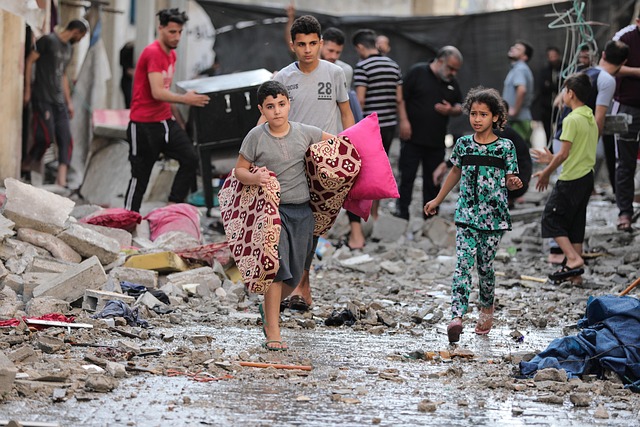
Disaster restoration is a critical aspect of recovering from catastrophic events, and Houston’s resilience in the face of frequent extreme weather has been evident through the effective restoration of its critical infrastructure. After hurricanes, floods, or other disasters strike, restoring these essential services is paramount to getting communities back on their feet. This process involves intricate coordination between various agencies, private companies, and community organizations to ensure a swift and efficient recovery.
One key component is emergency property protection services. Board-up and shoring techniques are crucial to safeguard buildings from further damage during the initial response phase. Professional fire damage restoration in MA and nearby regions plays a vital role post-disaster, as fires often accompany severe weather events. Companies like Property Restoration of the Capital Region offer specialized services to address fire, water, and mold damage, ensuring that structures can be safely inhabitable once again. For instance, following Hurricane Harvey in 2017, Houston’s emergency response teams collaborated with local restoration companies to board up thousands of properties, preventing further losses while also facilitating quicker reconstruction later.
The restoration process involves multiple stages. Initially, assessing the extent of damage is essential to develop a comprehensive recovery plan. This includes structural evaluations, water removal, and drying processes to mitigate mold growth. Once the immediate crisis is addressed, long-term solutions are implemented, such as rebuilding critical roads and bridges or repairing utility networks. For instance, Houston’s resilient infrastructure was showcased during Hurricane Ike in 2008, when swift emergency board-up services and effective water damage restoration led to a relatively rapid recovery compared to other affected areas. By prioritizing these key components of disaster restoration, communities can enhance their resilience and ensure a smoother transition back to normalcy after a devastating event.
Community Resilience: Rebuilding and Recovering Together

In the aftermath of a disaster, the true measure of a community’s resilience lies in its collective ability to rebuild and recover together. This process is not just about restoring physical structures; it involves fostering a sense of unity and strengthening the bonds that hold a community together. Houston, known for its indomitable spirit, has been at the forefront of showcasing this phenomenon through effective disaster restoration naturally, particularly after catastrophic events like hurricanes and floods.
Community resilience is built on the foundation of fast and reliable water damage repairs, where experienced disaster cleanup professionals play a pivotal role. Property Restoration of the Capital Region, for instance, has consistently led efforts in these areas, demonstrating that swift action not only minimizes structural damage but also calms the nerves of affected residents. Data shows that immediate intervention can reduce secondary damages from mold growth and infrastructure deterioration, making it an essential step in the recovery process.
As Houston navigates post-disaster scenarios, the collective wisdom gained offers valuable insights for rebuilding communities together. This involves not just repairing homes and businesses but also revitalizing public spaces, supporting local businesses, and ensuring access to critical services. By fostering collaboration between residents, community leaders, and professional restoration companies, these efforts can create a more resilient fabric that enhances the region’s ability to withstand future challenges. Actively engaging in disaster cleanup and contributing to the recovery process empowers individuals to take ownership of their community’s well-being, making each member an integral part of the healing symphony.
Disaster recovery in Houston is a multifaceted process that requires comprehensive preparations, swift response, and collaborative community efforts. Key insights highlight the importance of understanding local vulnerabilities, implementing robust infrastructure safeguards, and establishing clear protocols for immediate disaster restoration. By delving into each phase—from initial event assessment to long-term community resilience—we’ve uncovered vital takeaways. Preparedness, rapid response, and focused rebuilding are cornerstones for minimizing disruption and fostering a resilient Houston. These strategies empower residents and organizations to navigate unforeseen events with confidence, ensuring a stronger, more adaptable future.