






In Portland's humid climate, early mold detection is key. Regular inspections, prompt leak repair, and ventilation are essential. After disasters, swift expert action via disaster restoration naturally prevents mold proliferation. Professionals use advanced techniques for mold removal and water mitigation, addressing structural issues and ensuring proper drying. Quick 24–48-hour response inhibits mold growth, with studies showing reduced health risks through proper disaster restoration naturally.
In the event of water damage or mold infestation, effective disaster restoration becomes paramount for any Portland residence or commercial property. Mold, a silent invader, can swiftly proliferate behind walls and beneath floors, posing significant health risks to occupants. The expertise of seasoned mold removal experts is crucial in mitigating these hazards and restoring environments to their pre-disaster states. This article delves into the essential services provided by top-tier specialists in Portland, equipping homeowners and business owners with valuable insights into navigating this complex process. By understanding the nuances of disaster restoration, you can ensure a swift return to normalcy and a healthier living or working space.
- Understanding Mold: Signs & Types in Portland Homes
- When to Call: Expert Assessment for Disaster Restoration
- The Process: Effective Mold Removal Techniques by Experts
- Preventing Recurrence: Post-Disaster Restoration Tips from Pros
Understanding Mold: Signs & Types in Portland Homes
In Portland, understanding mold goes beyond mere aesthetics; it’s a critical aspect of home maintenance and disaster restoration naturally. Mold, a type of fungus, thrives in damp environments, making Oregon’s humid climate ideal for its growth. The most common signs include discolored walls or ceilings, musty odors, and peeling paint. Different types of mold, such as black mold (Stachybotrys chartarum), can be particularly harmful if inhaled due to potential health risks like respiratory irritation and allergic reactions.
A study by the U.S. Environmental Protection Agency (EPA) found that over 70% of homes in the U.S. test positive for mold, emphasizing its prevalence. In Portland, where frequent rain and high humidity create prime conditions, regular inspections are essential. Property owners should be vigilant about addressing water leaks promptly and ensuring adequate ventilation to mitigate moisture buildup.
Emergency board up services MA and professional fire damage restoration MA are crucial components of disaster preparation and recovery. After a water intrusion or fire, quick action is vital to prevent mold growth. For instance, after a severe storm or flood, Property Restoration of the Capital Region offers emergency board-up services to protect homes from further damage until repairs can be made. This proactive approach not only stabilizes properties but also aids in restoring your neighborhood after disaster, ensuring that residents can return to safe and healthy living environments.
Actionable advice for Portland homeowners includes scheduling regular professional inspections, especially after extreme weather events. Early detection allows for prompt treatment and containment, reducing the extent of damage and potential health risks associated with mold. By understanding the signs and types of mold, as well as leveraging expert services like emergency board up and professional fire restoration, residents can effectively protect their homes and communities from this insidious fungus.
When to Call: Expert Assessment for Disaster Restoration
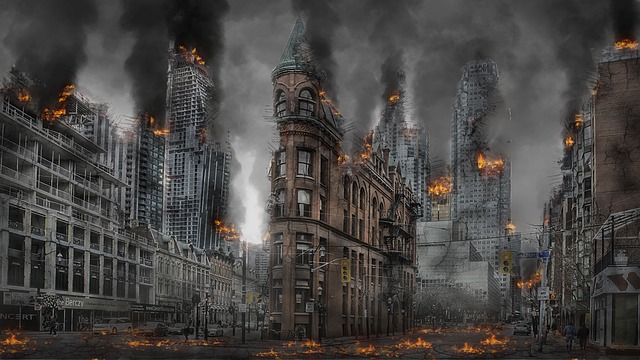
When a disaster strikes—whether it’s a severe storm, fire, or water damage—the need for swift and expert action is paramount. In Portland, where natural hazards are prevalent, recognizing when to call professional mold removal experts is crucial for effective disaster restoration. Property Restoration of the Capital Region emphasizes the importance of early engagement with specialized teams who can navigate complex recovery scenarios and ensure a seamless community recovery after disaster.
Disaster restoration goes beyond initial cleanup efforts. It involves assessing structural integrity, mitigating hazardous conditions like mold growth, and implementing comprehensive solutions tailored to each incident’s unique challenges. For instance, commercial fire recovery solutions demand meticulous attention to smoke and soot removal, content packing, and rebuilding—all while adhering to stringent safety protocols. Similarly, water damage restoration requires a thorough understanding of the source, extent, and type of moisture present to prevent further deterioration or health risks, such as mold proliferation.
Experts like those at Property Restoration of the Capital Region bring invaluable expertise, utilizing advanced equipment and techniques to restore properties to their pre-disaster condition. They prioritize communication, keeping homeowners and businesses informed throughout the process, which is especially vital when navigating insurance claims and local disaster recovery team coordination. By engaging professionals early, Portland residents and business owners can mitigate long-term damage, enhance community resilience, and ensure a smoother transition back to normalcy after a disruptive event.
The Process: Effective Mold Removal Techniques by Experts

When facing mold issues, it’s crucial to turn to professionals who understand the intricacies of mold removal and prevention Boston. Expert mold removal teams in Portland employ sophisticated techniques that go beyond surface-level solutions. The process begins with a thorough inspection using advanced equipment to identify hidden moisture sources and the extent of mold growth. Once identified, experienced technicians use proven methods like HEPA vacuuming to safely remove moldy materials while containing the spread.
After removal, disaster restoration naturally involves comprehensive water mitigation and drying services. These steps are essential to prevent further damage and ensure a healthy environment. Professional teams employ state-of-the-art drying equipment and monitor moisture levels until they reach safe, dry standards. This meticulous approach not only restores affected areas but also minimizes the risk of future mold growth, which can be a significant concern for property owners in humid climates like Portland’s.
Additionally, fire damage repair near me services often go hand in hand with mold removal, especially following water-related incidents. Property Restoration of the Capital Region, for instance, has assisted countless clients in recovering from both fire and water damage, providing holistic solutions that address each issue systematically. This comprehensive approach ensures that any remaining structures or materials affected by fire are safely removed or repaired, preventing secondary damage and fostering a healthier, safer living environment.
Preventing Recurrence: Post-Disaster Restoration Tips from Pros

Experienced mold removal experts understand that preventing recurrence is key to successful disaster restoration naturally. After a water-damaged event or natural disaster in Portland, prompt action is crucial. The first 24–48 hours are critical for mitigating water and starting the drying process to inhibit mold growth. Professional services like Property Restoration of the Capital Region offer comprehensive water mitigation and drying services, ensuring every affected area is thoroughly dried to minimize damage.
Post-disaster restoration tips from seasoned pros go beyond initial cleanup. It involves implementing preventive measures to ensure the long-term health and safety of your property and neighborhood. For instance, after a flood or storm, inspect and repair any structural issues like leaky roofs or broken pipes immediately. Proper ventilation and dehumidification should be maintained even after the visible water is gone. This is where expert knowledge comes into play; they know just how to restore your home or business while minimizing the risk of future mold growth.
A recent study by the Environmental Protection Agency (EPA) highlights that proper disaster response and recovery in Boston can significantly reduce post-disaster health risks, including mold-related issues. By prioritizing water mitigation and implementing effective drying techniques, you not only restore your neighborhood after disaster but also protect its inhabitants from potential health hazards. Remember, quick action and professional guidance are essential to achieving successful disaster restoration naturally and preventing recurrences.
Throughout this comprehensive guide, we’ve explored the critical aspects of mold removal in Portland homes, from recognizing signs of an impending issue to implementing effective disaster restoration techniques. By understanding the various types of mold and their potential health impacts, readers can take proactive steps to mitigate risks. When addressing a mold problem, timely expertise is vital; professional assessment ensures a thorough understanding of the extent of the issue. The article highlights advanced removal techniques employed by seasoned experts, guaranteeing not just visible elimination but also addressing the root causes for long-lasting solutions. Furthermore, practical post-disaster restoration tips emphasize the importance of proper ventilation and moisture control to prevent recurrences. Armed with this knowledge, Portland residents can now approach mold-related challenges with confidence, ensuring their homes remain safe, healthy, and free from the detrimental effects of mold growth.