




Chicago's diverse climate demands swift disaster restoration for fire damage. Property Restoration of the Capital Region specializes in:
Rapid response with advanced equipment to protect from fire & moisture.
Comprehensive assessments identifying structural damage, hazardous materials, and water intrusion.
Customized recovery plans outlining steps for securing, documenting, and rebuilding according to local codes.
Expert containment strategies to mitigate smoke damage, cross-contamination, and further harm.
* Professional cleanup, decontamination, and water mitigation services to prevent mold and structural issues.
Community support through neighborhood associations and best practices with contractors are crucial for successful disaster restoration.
Fire damage can strike suddenly, leaving Chicago residents and businesses grappling with the aftermath. Quick and effective disaster restoration is crucial not just for safety, but also to mitigate financial losses and emotional trauma. Same-day fire damage cleanup offers a lifeline in these critical hours, ensuring properties are restored to their pre-fire condition as swiftly as possible. This article delves into the intricacies of this specialized service, providing valuable insights for anyone facing the devastating impact of fire, emphasizing the expertise required for successful disaster restoration naturally.
- Understanding Fire Damage: Chicago's Immediate Response
- Assessing the Scene: Disaster Restoration Begins
- Containment and Safety: Prioritizing in Emergency Situations
- The Cleanup Process: Step-by-Step Guide for Homeowners
- Restoring Your Property: Expert Tips from Disaster Restoration Pros
- Rebuilding After Fire: Chicago's Resources and Support Services
Understanding Fire Damage: Chicago's Immediate Response
Understanding Fire Damage: Chicago’s Immediate Response
Fire damage is a devastating experience, leaving homes and businesses in disarray. In Chicago, where the urban landscape is bustling with activity, swift action is crucial to mitigate the impact of fire and ensure a smooth recovery process. When disaster strikes, it’s not just about putting out the flames; it involves a well-coordinated effort in disaster restoration, top-rated mold removal MA, and emergency property protection services—all designed to safeguard your assets and restore order as quickly as possible.
The initial hours after a fire are critical. Property Restoration of the Capital Region, a renowned name in insurer-approved disaster restoration, emphasizes the importance of rapid response. Their expert team understands that every minute counts when dealing with fire damage. Prompt action can prevent secondary damages like mold growth, which is a common and costly issue after fires. By deploying advanced equipment and following industry-standard protocols, they ensure that properties are not only saved from flames but also protected against the silent invaders—moisture and bacteria.
Chicago’s diverse climate poses unique challenges for fire damage cleanup. Winter’s cold and humidity can create an ideal environment for mold to thrive if not addressed properly. That’s why emergency property protection services become indispensable. These services involve temporary climate control measures, such as dehumidifiers and air purifiers, to maintain a healthy indoor environment while the more extensive restoration work is underway. By partnering with reputable providers like Property Restoration of the Capital Region, Chicago residents can rest assured that their properties are in capable hands throughout the entire disaster restoration process.
Assessing the Scene: Disaster Restoration Begins

After a fire strikes, assessing the damage is the critical first step in disaster restoration. This initial evaluation sets the stage for the entire recovery process, from determining structural integrity to identifying hazardous materials and planning safe evacuation routes. Professionals in Chicago, known for its bustling landscape, understand that swift action is crucial. Property Restoration of the Capital Region, a top-rated mold removal MA expert, emphasizes that a comprehensive disaster restoration plan begins with accurately assessing the scene.
Fire damage can be complex, often leaving behind not only burned structures but also potential health hazards like smoke and soot. Home renovation after disaster isn’t just about rebuilding; it’s about ensuring the safety of occupants and mitigating risks. This is where expert knowledge comes into play. Pros inspect for hidden damage, assess structural stability, and check for hazardous materials such as asbestos or lead. They also evaluate water intrusion, a common issue in fire damage, which can lead to mold growth if not addressed promptly.
A well-organized disaster recovery planning guide should be tailored to each property’s unique needs. It should detail steps for securing the premises, documenting losses, and coordinating with insurance providers. For instance, knowledge of local building codes and safety regulations is vital when determining whether a structure can be restored or if it requires complete reconstruction. Property Restoration of the Capital Region, having handled numerous Chicago fire damage cases, offers valuable insights into navigating these complex scenarios, ensuring a smoother transition from disaster to recovery.
Containment and Safety: Prioritizing in Emergency Situations
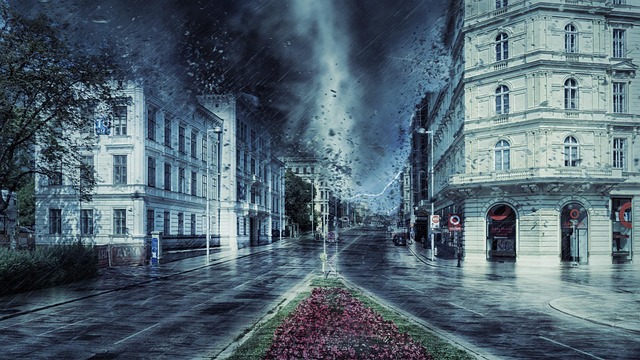
In emergency situations involving fire damage, immediate containment and safety are paramount. The first 24 to 48 hours after a fire are critical, as both physical and emotional chaos often reigns. Chicago’s robust network of local disaster restoration heroes is trained precisely for these scenarios, deploying specialized equipment and knowledge to secure the area and mitigate further harm. Their expertise in disaster restoration naturally includes containment strategies that not only protect residents but also preserve valuable property and personal belongings.
For instance, a swift response from these professionals can prevent smoke damage from spreading throughout a home or building, minimizing the need for extensive home renovation after disaster. They employ advanced techniques like negative air pressure to remove hazardous gases and particulate matter, ensuring safer conditions for entry and assessment. This is crucial because according to the National Fire Protection Association (NFPA), fire and smoke damage are among the most significant challenges in post-disaster home renovation advice.
Effective containment also involves setting up barriers and using specialized materials to seal off affected areas, preventing cross-contamination. This meticulous approach is essential for the health and safety of residents and emergency responders alike. Once immediate dangers are under control, Property Restoration of the Capital Region, among other expert teams, can begin assessing damage and providing tailored solutions, ensuring that homes and communities in Chicago can start their road to recovery promptly and with confidence.
The Cleanup Process: Step-by-Step Guide for Homeowners
Following a fire, navigating the cleanup process can feel overwhelming for Chicago homeowners. Property Restoration of the Capital Region offers expert guidance on the steps to take after a fire damage incident. While the immediate reaction might be to evacuate and ensure everyone’s safety, understanding the next steps is crucial for mitigating further losses and facilitating a smoother recovery. This step-by-step guide provides valuable insight into the disaster restoration process, focusing on both structural cleanup and ensuring a healthy environment for return.
The first priority after a fire is assessing the damage. Inspect your property meticulously, taking note of burned areas, affected structural elements, and any water damage from fire suppression systems. Documenting the damage with photographs will aid insurance claims and help professional restoration teams understand the scope of work required. Once the initial assessment is complete, prioritize safety by removing hazardous materials like melted plastics or toxic chemicals. Evacuate any non-essential items to prevent further contamination and allow for easier access to affected areas.
Next, focus on water mitigation and drying services. Fires often lead to extensive water damage from fire fighting efforts. Professional restoration companies employ advanced equipment to extract standing water and thoroughly dry out the property. This crucial step prevents mold growth and structural deterioration. As part of the drying process, specialized air movers and dehumidifiers accelerate the evaporation of moisture, ensuring a faster return to your home.
After water mitigation and drying are complete, it’s time for post-disaster home renovation advice. Discard any items severely damaged by smoke or heat, even if they appear salvageable. Soot and smoke can leave behind lingering odors and stains that are difficult to remove. Consider professional restoration as a game changer in these situations, offering expertise in cleaning, decontaminating, and restoring affected areas. From wall surfaces and flooring to personal belongings, professionals employ specialized techniques and products designed for fire damage cleanup.
Restoring Your Property: Expert Tips from Disaster Restoration Pros
When your Chicago property has experienced fire damage, prompt and professional disaster restoration is crucial for mitigating losses and restoring your space to its pre-fire condition. This involves a multi-step process that requires specialized knowledge and equipment, making it vital to engage the services of seasoned experts like those at Property Restoration of the Capital Region. Our team understands the unique challenges posed by fire damage cleanup services near me, from smoke removal to structural repairs.
The initial step in disaster restoration is assessing the extent of the fire damage. Pros will inspect your property, identifying affected areas and determining the best course of action. This includes assessing structural integrity and the presence of hazardous materials like asbestos or lead. Once the assessment is complete, the cleanup begins. Fire damage often leads to significant smoke and soot infiltration, which can leave behind unpleasant odors and unsightly stains. Expert restoration pros employ advanced equipment for thorough decontamination, including air scrubbers and negative-pressure ventilation systems. These measures ensure a safe environment and prevent further contamination.
Water mitigation is another critical aspect of disaster restoration, especially in cases where fire fighting efforts involved significant water usage. An experiencing team will implement insurance-approved water mitigation strategies 1-3 times depending on the severity of the flooding. This involves drying and dehumidifying the property to prevent mold growth and structural damage. Property Restoration of the Capital Region prides itself on providing comprehensive solutions, offering a one-stop shop for all your fire damage cleanup needs, from initial assessment to final restoration. Remember that in the aftermath of a disaster, quick action is key to minimizing losses. Experiencing flood? Call local pros for efficient and insurance-approved water mitigation.
Rebuilding After Fire: Chicago's Resources and Support Services

Chicago, a city renowned for its resilience, offers extensive resources to support individuals and communities navigating the aftermath of a fire. Rebuilding after such a disaster is a complex process that requires specialized knowledge and access to reliable services. Property Restoration of the Capital Region, an industry leader in disaster restoration, highlights the key aspects of this journey towards recovery.
The initial step in any post-fire cleanup is ensuring safety and securing the premises. Local fire departments provide valuable guidance on hazard assessment, including structural integrity checks and the identification of hazardous materials. Once deemed safe, the process of removing charred debris and restoring essential services begins. Chicago residents can leverage insurer-preferred flood cleanup specialists who understand the intricate work of mitigating water damage often associated with firefighting efforts. These professionals employ advanced techniques to restore homes to their pre-disaster condition, ensuring a seamless transition towards rebuilding.
Restoring your neighborhood after disaster also involves community engagement and collaboration. Property Restoration of the Capital Region emphasizes the importance of local support networks in the healing process. Many Chicagoans find solace in neighborhood associations and community centers that facilitate resource sharing and emotional support during these challenging times. When considering home restoration after hurricanes or any severe event, it’s crucial to document insurance policies, maintain detailed records of damage, and connect with reputable contractors familiar with disaster restoration best practices.
The city’s diverse cultural tapestry also becomes a strength in the face of adversity. Chicago’s vibrant communities offer unique perspectives on rebuilding, ensuring that restored spaces reflect the rich heritage of the area. By embracing community input and leveraging local expertise, the city can create a sustainable and resilient built environment post-disaster.
This article has provided a comprehensive guide to navigating fire damage cleanup in Chicago, offering crucial insights into disaster restoration processes. Key takeaways include the importance of immediate response, thorough scene assessment, and prioritizing safety during emergencies. Homeowners are equipped with a step-by-step cleanup process and expert tips for property restoration, emphasizing the role of professional disaster restoration services. Furthermore, understanding Chicago’s available resources and support services is vital for rebuilding after a fire. By synthesizing these key learnings, readers can confidently take practical next steps, ensuring effective disaster restoration and swift recovery in their journey towards rebuilding their properties.