





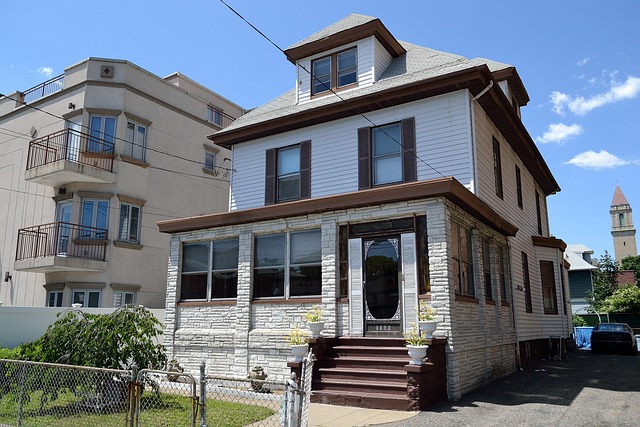


Seattle's unique geography increases vulnerability to flooding, causing significant property damage. Disaster restoration services, like Property Restoration of the Capital Region, are crucial for mitigating these issues. Key steps include immediate evacuation and utility shutdown, board-up services, mold remediation using advanced techniques within 24-48 hours, structural repairs, and replacing contaminated materials. Preventative measures such as hardscaping, reinforcement, community involvement, and regular maintenance can minimize future flood impacts.
Seattle’s unique geography often makes it prone to sudden and severe weather events, leading to devastating floods that demand prompt cleanup and restoration efforts. In such scenarios, efficient disaster restoration is paramount not just for property preservation but also for community resilience. This article delves into the critical aspects of flood cleanup and restoration in Seattle, offering expert insights on navigating these challenging situations. We explore proven strategies, best practices, and cutting-edge techniques to ensure homes and businesses return to normalcy swiftly and safely, emphasizing the importance of professional disaster restoration services in rebuilding and reinforcing against future events.
- Understanding Flooding in Seattle: Common Causes and Impacts
- Immediate Actions After a Flood: Safety and Temporary Solutions
- Comprehensive Disaster Restoration: Step-by-Step Guide for Homes
- Professional Water Damage Restoration Services: When to Hire Experts
- Preventing Future Floods: Long-Term Home Protection Strategies
Understanding Flooding in Seattle: Common Causes and Impacts

Seattle’s unique geographical location makes it susceptible to various weather events, including heavy rainfall and sudden storms, which can lead to flooding. Understanding these common causes is essential for residents and businesses alike to prepare and navigate disaster restoration effectively. The city’s topography, characterized by hills and waterways, can exacerbate flood risks, especially during severe weather patterns. Heavy downpours often overwhelm drainage systems, causing water to overflow into streets and homes, resulting in significant property damage.
The impacts of flooding in Seattle are far-reaching. Common consequences include structural damage to buildings, with water infiltrating through cracks and windows, leading to the deterioration of insulation, drywall, and even foundation walls over time. Personal belongings and valuable possessions are at risk of water damage, mold growth, and bacterial contamination, requiring specialized home restoration after hurricane efforts. Moreover, floodwater can carry hazardous debris, chemicals, and pollutants, posing health risks to residents and complicating the disaster recovery process.
Experienced in hurricane recovery, Property Restoration of the Capital Region offers expert guidance for restoring your neighborhood after disasters. Homeowners and businesses should prioritize safety first, evacuating immediately if instructed by local authorities. After the initial response, professional disaster restoration services can assess and mitigate damage, ensuring thorough drying and decontamination to prevent long-term health issues. Restoring your home or business after a hurricane involves a systematic approach, including water extraction, mold remediation, and careful repairs to return properties to their pre-disaster condition, as demonstrated in numerous successful Seattle hurricane recovery projects.
Immediate Actions After a Flood: Safety and Temporary Solutions

After a flood strikes Seattle, immediate actions are crucial for safety and minimizing damage. The first step is to ensure the safety of all occupants and evacuate if necessary, especially in cases of electrical hazards or rising water levels. Once everyone is safe, the next critical phase involves temporary solutions to halt further deterioration. This includes shutting off electricity and water supplies at the main valves or breakers to prevent additional losses.
Board-up services, a core component of emergency response, are vital for protecting homes and businesses from weather elements while longer-term disaster restoration naturally begins. Local emergency restoration teams like Property Restoration of the Capital Region offer expert board-up in Seattle, quickly securing structures against wind, rain, and looters. This temporary barrier provides time for insurance assessments, water removal, and mold prevention—all crucial steps before a full home renovation after disaster can commence.
For instance, post-floods in Seattle have led to extensive home renovations, with some properties undergoing complete transformations. While these projects may seem daunting, involving local professionals who specialize in emergency restoration and home renovation after disaster can streamline the process. These experts not only provide swift board-up services (a key aspect of emergency restoration) but also offer valuable guidance on structural repairs, water damage restoration, and mold remediation—ensuring a thorough and comprehensive recovery.
Comprehensive Disaster Restoration: Step-by-Step Guide for Homes
In the aftermath of a disaster, proper disaster restoration is crucial for Seattle homeowners looking to reclaim their properties. This comprehensive guide details the steps involved in effective disaster response and recovery, focusing on mold removal and prevention—a critical aspect of any restoration process.
The initial phase begins with a thorough assessment by expert professionals from Property Restoration of the Capital Region. They identify water sources, extent of damage, and potential health hazards like mold growth. Prompt action is vital; according to the EPA, mold can begin forming within 24-48 hours of flooding. Once identified, mold removal should be handled by specialists who employ advanced equipment and techniques to ensure complete eradication. Property Restoration of the Capital Region’s team uses industry-leading practices for mold removal in Boston homes, minimizing disruption and mitigating further damage.
Following mold removal, restoration continues with drying out affected areas, repairing structural damage, and replacing contaminated materials. This step-by-step approach ensures a thorough return to pre-disaster conditions. For instance, in the aftermath of recent heavy rainfall in Boston, Property Restoration of the Capital Region successfully restored numerous homes, demonstrating their expertise in disaster response and recovery. By adhering to these meticulous procedures, homeowners can rebuild with confidence, knowing their properties are safe and healthy for occupation.
Professional Water Damage Restoration Services: When to Hire Experts

When faced with extensive water damage, whether from a flood, storm, or fire, the decision to hire professional disaster restoration services can be a critical one. In Seattle, where natural disasters like heavy rains and storms are common, prompt action is essential to mitigate damage and prevent costly, time-consuming complications.
Property Restoration of the Capital Region offers a wealth of experience in water damage restoration, providing fast, reliable services to Seattle residents and businesses. Our experts understand that every water damage scenario is unique, requiring tailored solutions. From initial assessment to complete restoration, we employ advanced techniques and state-of-the-art equipment to ensure the highest quality of service.
Timely intervention is key to preventing mold growth and structural damage. Our team arrives swiftly, implementing immediate measures to extract water and dry the affected areas. We employ specialized equipment to monitor moisture levels, ensuring every inch of the property is thoroughly dried. This rapid response is crucial in minimizing loss and saving valuable possessions and memories. For instance, a recent storm in Seattle left many homes submerged for days. Property Restoration of the Capital Region was on the scene within hours, preventing extensive mold damage and costly repairs that could have ensued.
Moreover, professional restoration services offer peace of mind. Our experts handle every detail, from mold removal and prevention in Boston to repairing structural damage, ensuring your property is returned to its pre-disaster condition. We work closely with insurance providers, navigating the claims process efficiently, so you can focus on your recovery. With our expertise, you can trust that your Seattle home or business is in capable hands during these challenging times.
Preventing Future Floods: Long-Term Home Protection Strategies

In the aftermath of a flood, the primary focus is on immediate safety and disaster restoration. However, preventing future floods and implementing long-term home protection strategies are essential for Seattle residents to safeguard their properties and restore their neighborhoods effectively. The key to successful recovery lies in understanding the root causes of flooding and employing proactive measures that enhance resilience against severe weather events.
Seattle’s unique geography, characterized by its hilly terrain and proximity to water bodies, makes certain areas more susceptible to flash floods during heavy rainfall. Local disaster restoration heroes emphasize the importance of hardscaping and landscaping adjustments to mitigate these risks. This includes installing proper drainage systems, such as downspout extensions that direct rainwater away from foundations, and planting native vegetation that helps absorb excess water naturally. Property owners should also consider raising important appliances and fixtures above potential flood levels, reinforcing doors and windows, and investing in waterproof barriers for added protection.
Moreover, community involvement is crucial in restoring neighborhoods after severe weather events. Collaborating with neighbors, local authorities, and organizations like Property Restoration of the Capital Region can lead to more comprehensive and efficient recovery efforts. Sharing resources, expertise, and labor not only accelerates the cleanup process but also fosters a sense of unity among residents. Regular maintenance checks and updates on local flood risk assessments can further aid in identifying vulnerable areas, enabling proactive interventions before the next severe weather event strikes. By combining individual actions with collective efforts, Seattle communities can minimize the impact of future floods and restore their homes and neighborhoods to their full potential.
Seattle residents now possess a comprehensive toolkit for navigating flood cleanup and disaster restoration. Understanding common causes and impacts of flooding equips them to act swiftly after a disaster. The article has outlined immediate safety measures, provided a step-by-step guide for comprehensive home restoration, and highlighted when to engage professional water damage restoration services. Moreover, long-term protection strategies empower residents to safeguard their homes against future floods. By leveraging these key insights, Seattle folks can not only mitigate the devastating effects of flooding but also enhance their resilience, ensuring both property preservation and peace of mind in the face of such challenges.