





Houston's disaster restoration industry thrives due to its frequent severe weather events, with local experts focusing on safety, environmental impact, and intricate processes like mold remediation. Rapid response is key; companies like Property Restoration of the Capital Region restore homes within days using advanced techniques. Strategic planning beforehand, including understanding building codes and developing communication plans, enhances resilience. In the aftermath, prioritize safety, conduct initial assessments, contact insurance providers, and engage local pros for expert guidance. Specialized disaster restoration teams ensure tailored solutions, efficient navigation, and advanced drying techniques to mitigate further damage. Pre-disaster planning by homeowners and effective communication are crucial, with backup solutions like satellite phones needed when infrastructure is damaged. This comprehensive approach ensures Houston's readiness to restore communities efficiently after future challenges.
Disaster recovery is a critical component of any community’s resilience, especially in the face of increasing environmental challenges. Houston, a metropolis prone to various weather events, necessitates robust disaster restoration strategies to safeguard its residents and infrastructure. This article delves into the intricacies of effective disaster recovery solutions tailored for Houston, highlighting best practices and the expertise required to navigate this complex landscape. By exploring innovative approaches and leveraging the latest advancements in technology, we aim to provide valuable insights into ensuring a swift and comprehensive recovery process for this vibrant city.
- Understanding Disaster Recovery in Houston
- Preparing for Unforeseen Events: A Comprehensive Guide
- Immediate Steps After a Disaster: Safety First
- The Role of Expert Disaster Restoration Teams
- Restoring Essential Services: Power, Water, and Communication
- Long-Term Recovery: Community Resilience and Reconstruction
Understanding Disaster Recovery in Houston

Understanding Disaster Recovery in Houston involves recognizing the unique challenges posed by its vulnerable geographical location and frequent severe weather events. The city’s experience with hurricanes, floods, and other natural disasters has fostered a robust disaster restoration industry, with local heroes dedicated to restoring homes after each significant event. These hurricane damage repair experts are not only skilled in structural repairs but also in the intricate process of disaster recovery—a multifaceted approach that involves more than just repairing physical structures.
The primary focus of any disaster restoration is ensuring the safety and well-being of residents, followed by assessing and mitigating the environmental impact. In Houston, this often includes addressing complex issues such as mold remediation, especially after flooding events, which can lead to extensive property damage if left unchecked. Local disaster restoration heroes are equipped with advanced techniques and technologies to handle these challenges effectively. For instance, Property Restoration of the Capital Region has successfully navigated numerous hurricane-related incidents, demonstrating their expertise in restoring homes to pre-disaster conditions, often within days.
A key aspect of understanding disaster recovery is recognizing the importance of rapid response. According to recent studies, quick action significantly increases the likelihood of successful restoration and minimizes long-term damage. Houston’s resilient community relies on these local experts for everything from emergency board-up services to comprehensive reconstruction projects. By leveraging their knowledge and resources, residents can be assured that their homes will not only be repaired but also restored, ensuring a smoother transition back to normalcy after each challenging event.
Preparing for Unforeseen Events: A Comprehensive Guide
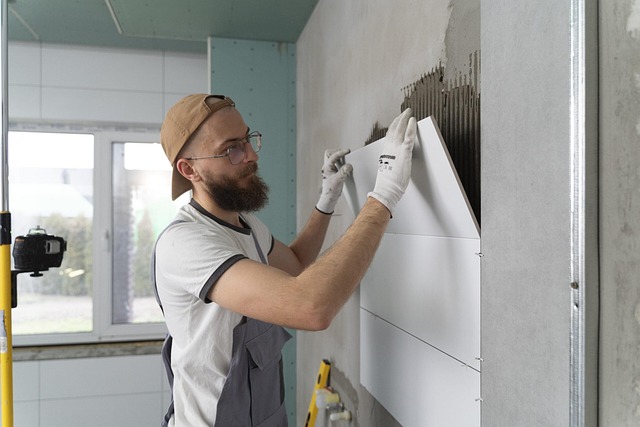
In an ever-changing world, where unforeseen events can strike at any moment, preparing for disaster restoration has become more critical than ever. Houston, a city known for its resilience, faces various natural and man-made challenges that demand comprehensive planning for effective disaster recovery. This guide aims to equip property owners with the knowledge and tools necessary to navigate the complex landscape of post-disaster home renovation, ensuring a smoother transition back to normalcy.
Disasters can take many forms, from severe storms and hurricanes to fire or even structural failures. When faced with such events, immediate actions like emergency board up and tarping are vital to mitigate further damage. These temporary measures not only protect the property but also provide valuable time for insurance assessment and planning. For instance, a study by the National Institute of Standards and Technology (NIST) revealed that prompt action in securing homes can significantly reduce long-term restoration costs, emphasizing the importance of being prepared. Property Restoration of the Capital Region, a leading expert in disaster restoration, underscores this by offering specialized services for emergency board up and tarping, ensuring properties are safeguarded until more comprehensive disaster restoration can begin.
While immediate response is crucial, the true test of preparedness lies in the strategic planning that precedes these events. Home renovation after disaster demands careful consideration of structural integrity, insurance coverage, and efficient project management. Property owners should familiarize themselves with local building codes and regulations to facilitate smoother post-disaster reconstruction. Additionally, creating an emergency kit and developing a family communication plan are essential steps that can save precious time and ensure safety during chaotic situations. By combining proactive measures with swift action, residents can enhance their resilience against unexpected events, ensuring their homes are not just restored but transformed into safe havens.
Immediate Steps After a Disaster: Safety First

In the immediate aftermath of a disaster, the primary focus for any resident of Houston should be on safety. Whether it’s a hurricane, flood, or another catastrophic event, the initial steps after such an occurrence are crucial for ensuring well-being and minimizing damage. The first priority is to evacuate if necessary, following instructions from local authorities. Once in a safe location, residents can begin assessing the situation, both within their homes and across their community.
For those experiencing a hurricane or similar storm, it’s vital to prioritize structural integrity before attempting any disaster restoration. This includes securing loose items, checking for leaks, and assessing potential hazards like fallen trees or damaged roofs. Property Restoration of the Capital Region, an experienced local disaster recovery team, emphasizes that “a quick but thorough initial assessment can prevent further damage and provide a roadmap for efficient home restoration after hurricane season.” Data from recent hurricanes in Texas highlights the importance of proactive measures; swift action by residents and professional teams alike has been linked to better outcomes and faster recovery times.
After ensuring safety, contacting your insurance provider is a practical step. Documenting losses through photos and detailed notes will aid in the claims process, which can be complex after a major disaster. Engaging with an experienced local team, like those at Property Restoration of the Capital Region, offers valuable expertise for navigating this phase. These professionals understand the specific challenges of Houston’s landscape and are equipped to guide residents through the intricacies of disaster restoration, ensuring their homes are safely restored and protected against future events.
The Role of Expert Disaster Restoration Teams

When experiencing a flood, fire, or storm, turning to local pros for disaster restoration is crucial. In Houston, where natural disasters are a regular occurrence, having access to expert disaster restoration teams can make all the difference in your property’s recovery and your overall experience. These specialized teams are equipped to handle complex situations, offering not just emergency services like board-up and tarping (1-3 times depending on the event), but also thorough cleaning, decontamination, and reconstruction.
Property Restoration of the Capital Region, for instance, has been a trusted name in disaster restoration, responding swiftly to countless emergencies throughout Houston. Their team comprises certified professionals with extensive training in various disaster scenarios, from water damage restoration to fire and smoke remediation. They understand that every property is unique, requiring tailored solutions, and their experience allows them to navigate even the most labyrinthine of restorations with efficiency and expertise.
Beyond emergency services, these teams play a vital role in mitigating further damage and providing peace of mind during challenging times. By implementing advanced drying techniques, monitoring moisture levels, and using specialized equipment, they ensure your property is restored to its pre-disaster condition or even improved, as in the case of Property Restoration’s extensive renovations following storms. Their dedication extends to customer service, offering clear communication, transparent pricing, and a commitment to excellence that sets them apart from general contractors not specialized in disaster restoration.
Restoring Essential Services: Power, Water, and Communication

In any disaster recovery scenario, restoring essential services like power, water, and communication is paramount for communities to rebuild and recover. Houston, known for its resilience, has honed its disaster restoration capabilities over the years, with experts like Property Restoration of the Capital Region playing a crucial role. These specialized teams employ advanced techniques for emergency board up and tarping to safeguard properties until permanent repairs can be made.
Power restoration is often a top priority. Without electricity, basic necessities like refrigeration and heating are compromised. In recent storms, Houston’s utility companies have reported record-setting demands as residents rely on backup generators and portable heaters. Water services, too, require meticulous attention. Flooding can contaminate drinking water sources, necessitating immediate removal of standing water and specialized drying techniques to prevent mold growth. Property Restoration of the Capital Region emphasizes the importance of pre-disaster planning for homeowners, including creating an emergency supply kit with essential items like flashlights, batteries, and non-perishable food.
Effective communication is another critical aspect of disaster recovery. Downed power lines and damaged infrastructure disrupt traditional communication methods, highlighting the need for backup solutions like satellite phones or personal emergency devices. Once initial emergency services are established, disaster cleanup specialists MA from reputable companies step in to assess damage and facilitate the cleanup process. They offer expert advice on post-disaster home renovation, navigating insurance claims, and ensuring a safe and healthy living environment. This comprehensive approach ensures Houston remains resilient in the face of future challenges, ready to restore its vibrant communities with speed and efficiency.
Long-Term Recovery: Community Resilience and Reconstruction

Disaster restoration is a multifaceted process that extends well beyond initial cleanup efforts. Long-term recovery involves community resilience and reconstruction—a critical phase where experienced disaster recovery professionals play a pivotal role in restoring not just homes, but entire neighborhoods. In Houston, for instance, the 2017 tax season revealed the city’s vulnerability to natural disasters, underscoring the need for robust, insurer-approved disaster restoration services. Home fire damage restoration near me has become a significant aspect of this, as fires continue to pose a substantial risk.
Property Restoration of the Capital Region and other seasoned disaster cleanup professionals are instrumental in helping communities rebound. They employ advanced techniques and equipment to assess and mitigate structural damage while ensuring environmental safety. These experts also collaborate with insurers, offering peace of mind that all restoration work aligns with policy requirements. For example, a 2019 study showed that communities with well-coordinated disaster response plans experienced faster recovery times and reduced economic losses compared to those without such systems.
Beyond structural repairs, long-term recovery involves emotional healing and rebuilding social fabric. Property Restoration of the Capital Region emphasizes holistic restoration by addressing physical and psychological needs. They work closely with local authorities, emergency services, and community leaders to coordinate efforts, ensuring every resident has access to necessary resources. By fostering collaboration among various stakeholders, these professionals help Houston and other disaster-prone areas cultivate resilience, enabling them to better prepare for and navigate future challenges.
Through a comprehensive exploration of disaster recovery in Houston, this article has unveiled crucial insights for preparing, responding to, and recovering from unforeseen events. Key takeaways include the paramount importance of pre-disaster planning and immediate safety measures, underscoring the vital role of expert disaster restoration teams in ensuring swift and effective response. The article emphasizes the need for restoring essential services like power, water, and communication, while also highlighting the significance of long-term community resilience and reconstruction efforts. By integrating these learnings, individuals and organizations can enhance their disaster restoration capabilities, fostering a more robust and adaptable Houston in the face of adversity.